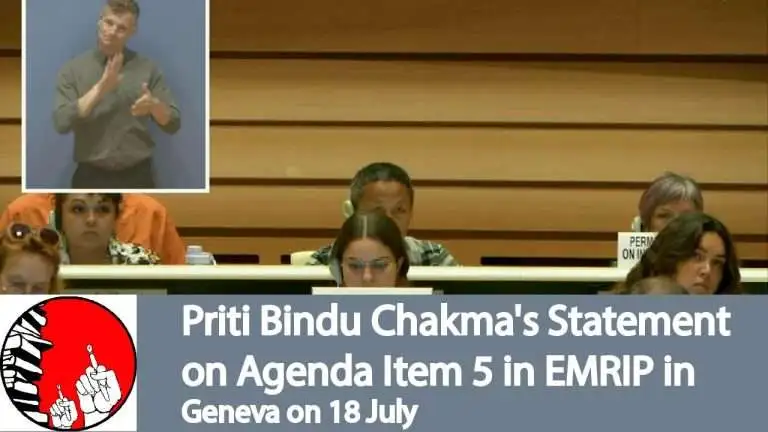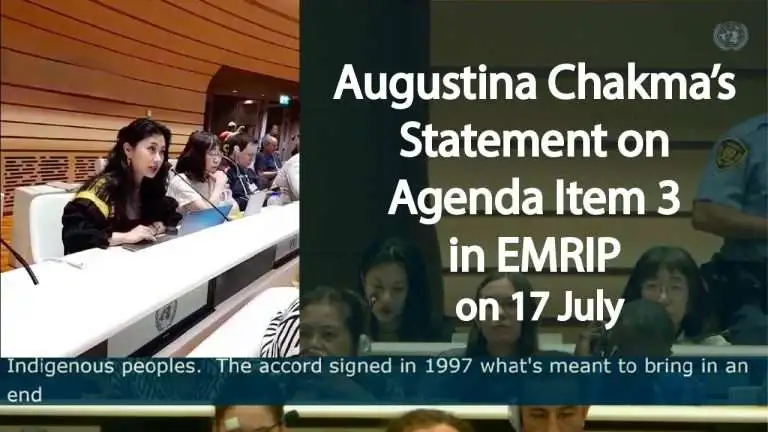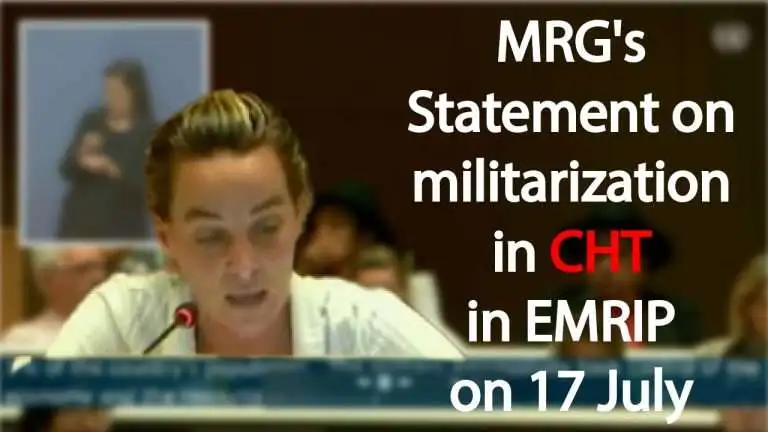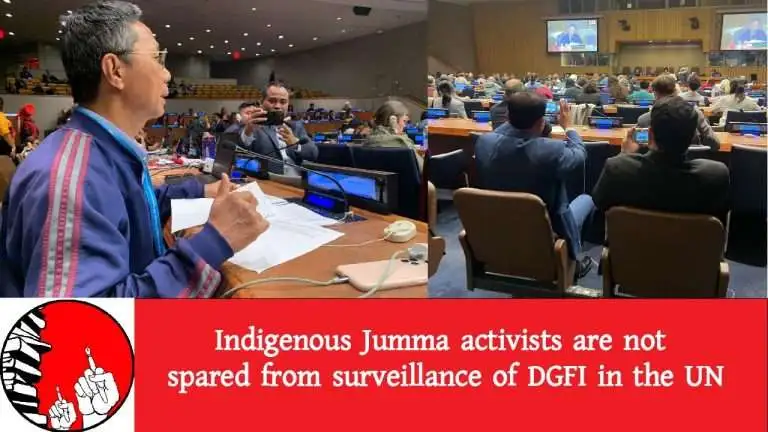
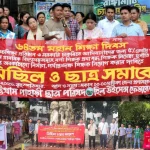


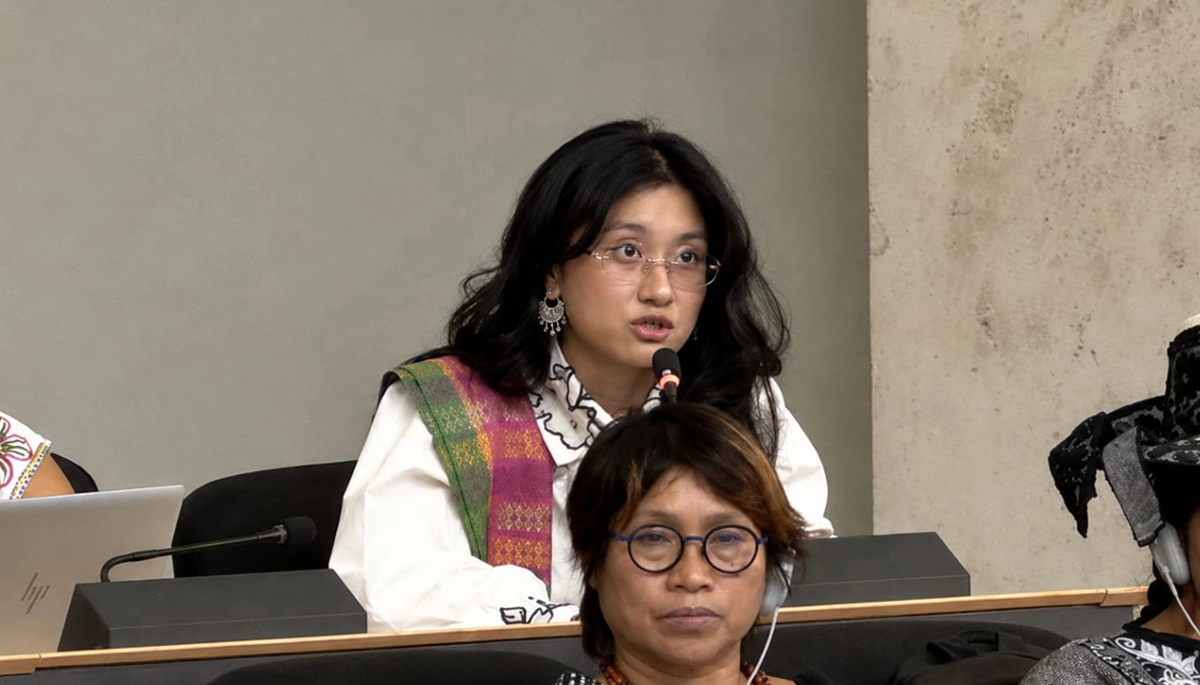
Hill Voice, 17 July 2026, International Desk: Representative of the Parbatya Chattagram Jana Samhati Samiti (PCJSS) Augustina Chakma has delivered speech on Agenda Item 11: “Future work of Expert Mechanism, including follow-up to recommendations made in previous studies and advice” on Thursday (16 July) at the 19th session of the Expert Mechanism on the Rights of Indigenous Peoples (EMRIP) of the United Nations.
The 19th session of the EMRIP started at Palais des Nations in Geneva of Switzerland on 13 July 2026 and will end on 17 July 2026.
In her statement, Augustina Chakma said, “Twenty-nine years ago, Bangladesh and the Jumma people of the Chittagong Hill Tracts signed a peace accord. It promised demilitarization, self-governance, land returned. Twenty-nine years later, they are still waiting.
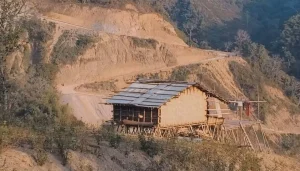
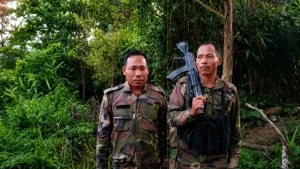
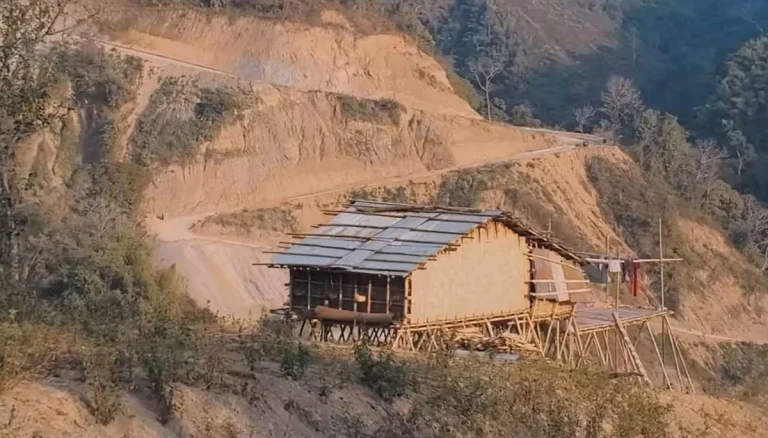
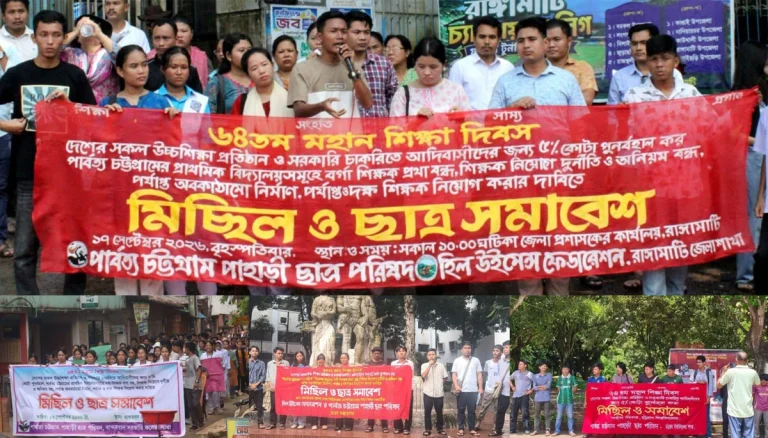
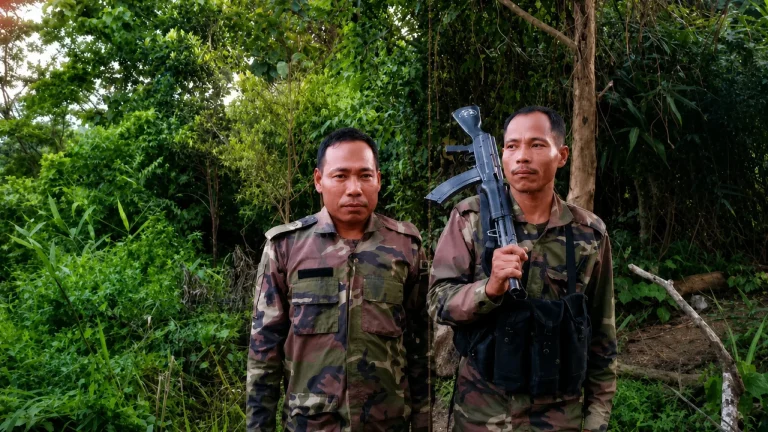
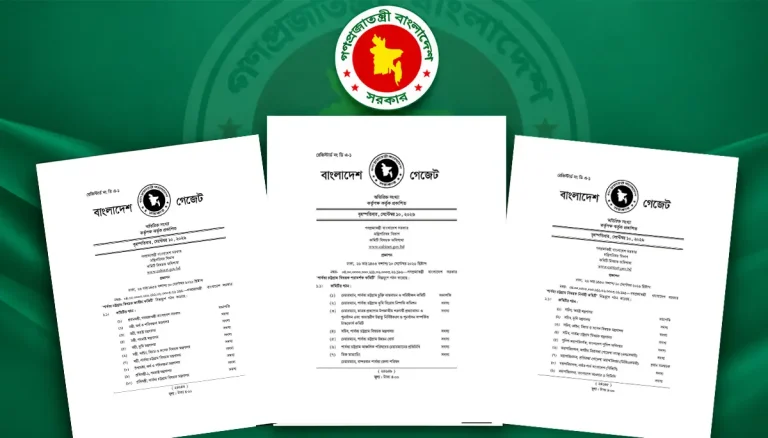
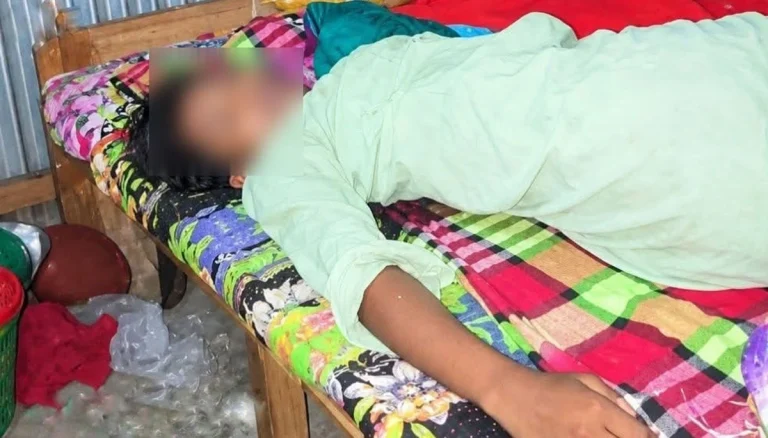
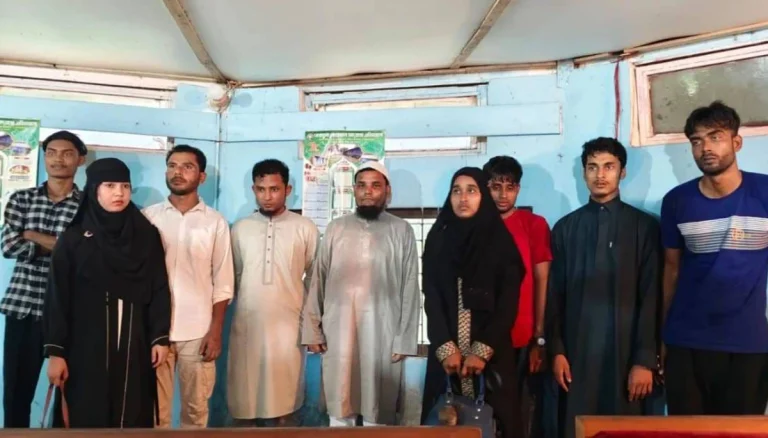
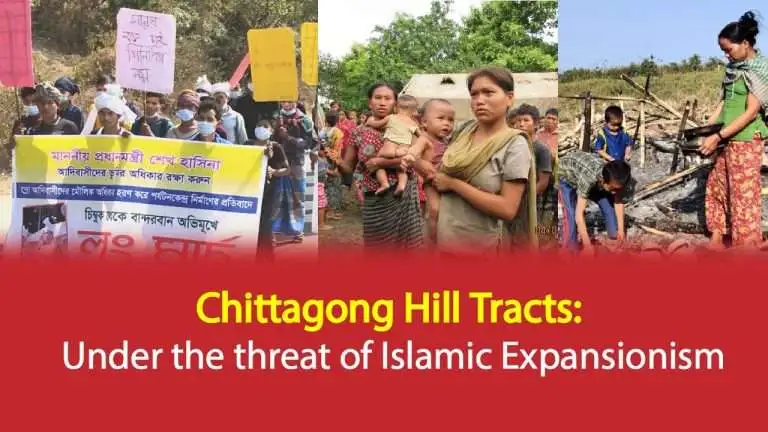
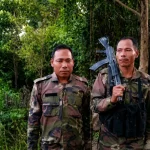
This year, the waiting got worse. Instead of withdrawing troops, the government approved 34 new Border guard Bangladesh outposts. Over four hundred temporary camps still stand, some for two decades. The region is run not by its own hill councils, but by a military order called Operation Uttoron “upliftment” for a policy that has delivered only occupation. Land grabs, attacks, forced conversions, violence against women and girls follow wherever implementation stalls.
This Mechanism does not need another description of what is wrong. It needs to act on what it already knows.
First: the call for an international mechanism to resolve treaty and accord disputes, with a registry to protect them, dates to 1999, reaffirmed by EMRIP in 2022. Whatever form it takes, it has not been delivered effectively to communities like the Jumma. I am not asking for a new framework. I am asking the Expert Mechanism to make the one it owes visible, starting with the CHT Accord.
Second: Bangladesh is now at the mid-point of its Universal Periodic Review cycle and has the opportunity to submit a mid-term report. I ask this Council to press Bangladesh to use it to account for CHT Accord implementation: camp withdrawal, the Land Commission, and the Regional Council and Hill District Councils.
Next year marks thirty years. Thirty years is not a delay, it is a choice. The Jumma people did not sign an accord to be managed. They signed it to be free.”