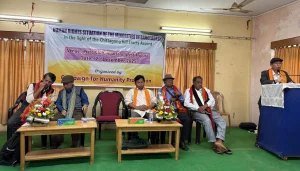





Hill Voice, 10 December 2025, International Desk: Asia Indigenous Peoples Pact (AIPP) joins the global community in marking Human Rights Day 2025 under the theme “Our Everyday Essentials”, highlighting how rights are essential for daily life.
The press release of the AIPP reaffirms the Universal Declaration of Human Rights (UDHR) values – Freedom, Equality, and Justice for All. Yet across Asia, Indigenous Peoples continue to face systemic violations of our rights, persistent discrimination, and exclusion from decision-making. Despite states’ commitments, the realities on the ground reveal deep inequalities that undermine this year’s global theme.
Across the region, Indigenous communities experience heightened risks of land dispossession, criminalisation, and violence. Our territories remain targets of extractive and energy industries, so-called renewable energy projects, agribusiness, infrastructure, carbon markets and offsetting schemes, as well as conservation initiatives that proceed without respecting our rights to self-determination and Free, Prior and Informed Consent (FPIC).
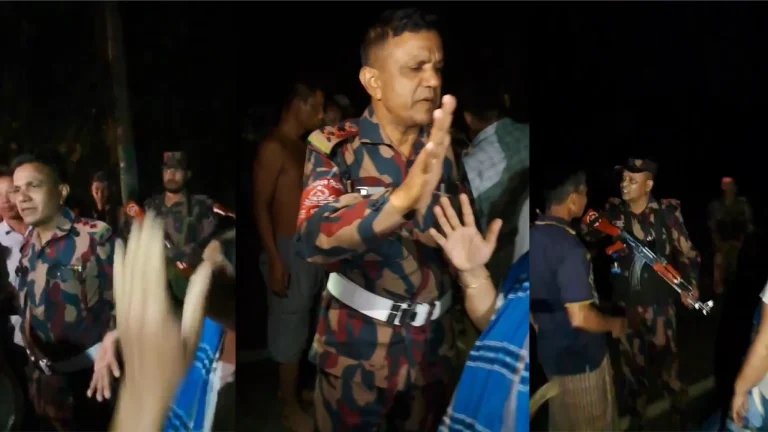
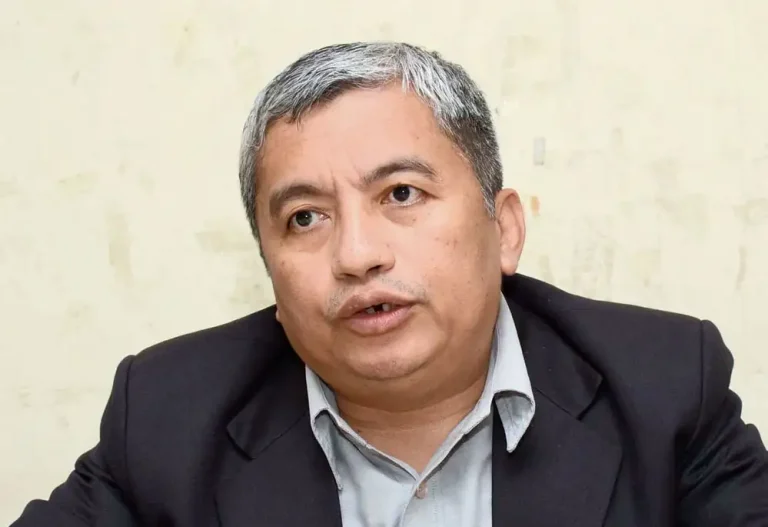
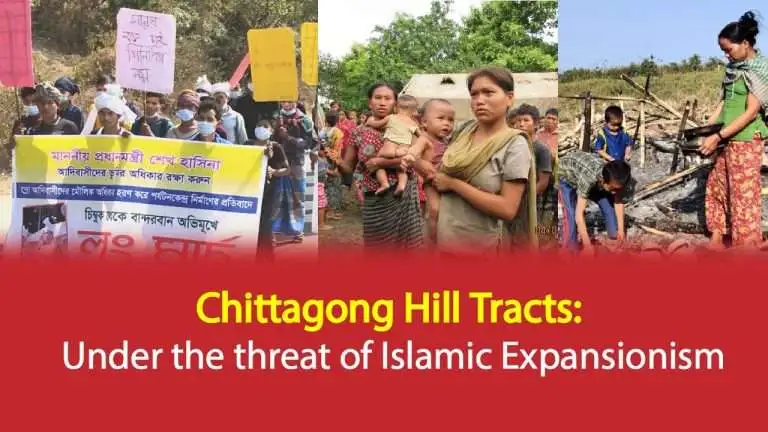
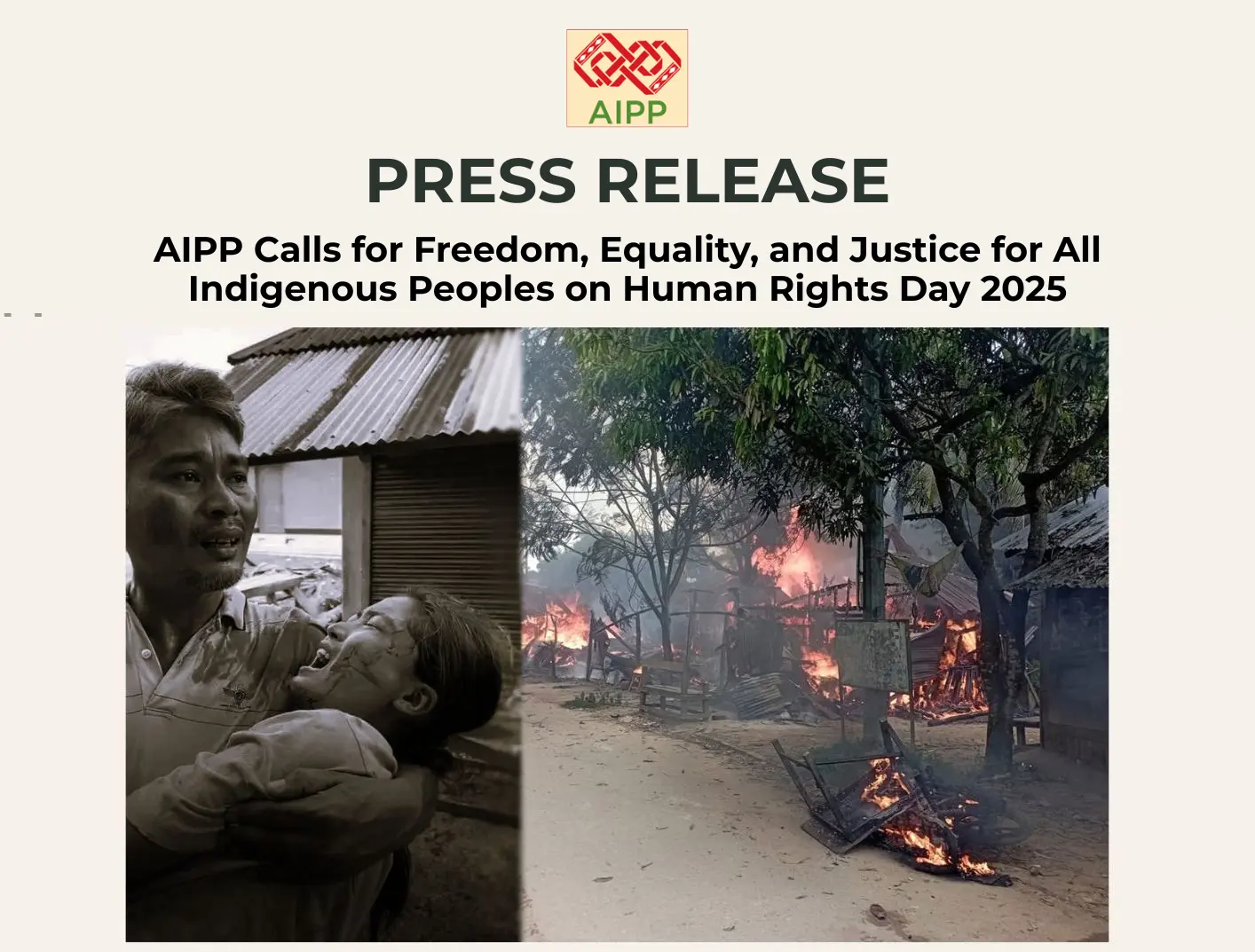
In Bangladesh, the human rights situation of Indigenous Peoples continues to be a concern, even under the current Interim Government. Indigenous Peoples continue to face systemic discrimination, land dispossession, militarisation, and violence – particularly in the Chittagong Hill Tracts (CHT). Cases of forced evictions, arbitrary arrests, and intimidation of Indigenous activists and community leaders have intensified, while ongoing land grabs by private actors and state-backed interests remain unaddressed in both the CHT and the plains.
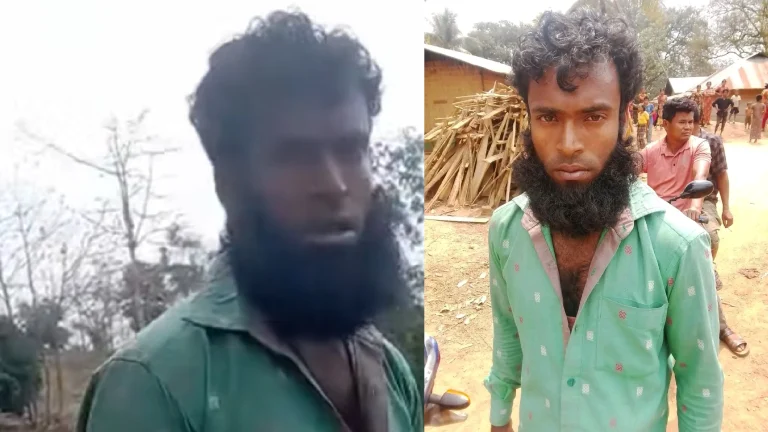
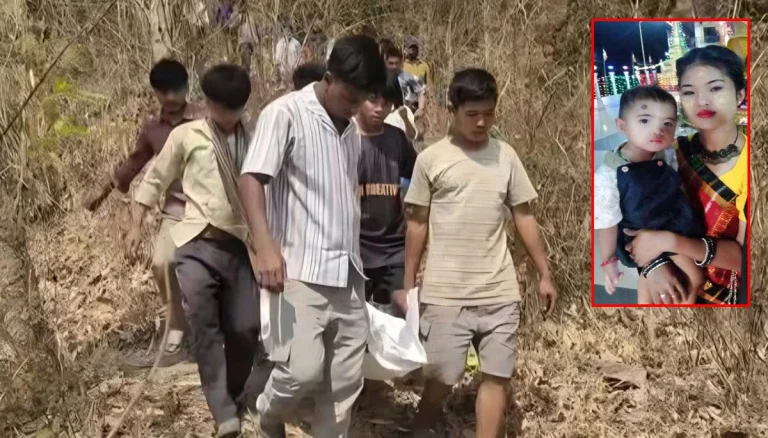
At the beginning of the year, a violent attack was carried out against Indigenous students and rights activists during their peaceful protest in Dhaka. In September, another brutal act of violence occurred against Indigenous Peoples in the Khagrachari Hill District, resulting in the killing of at least three Indigenous individuals and injuries to dozens more. In October, the forced eviction of five Kole Indigenous families from their lands in the Rajshahi District further contributed to the deteriorating human rights situation in the country.
AIPP calls on states to uphold their human rights obligations and ensure that Indigenous Peoples fully enjoy freedom, equality, and justice by:
- Recognising Indigenous Peoples and our collective rights in national laws;
- Guaranteeing FPIC in all development, conservation, and climate-related activities;
- Ending criminalisation and violence against Indigenous Peoples’ human rights defenders;
- Guaranteeing access to justice for Indigenous Peoples Human Rights Defenders and Indigenous Women Human Rights Defenders, ensuring the protection of Indigenous Peoples’ rights, and providing just, adequate, and culturally appropriate remedy and redress, and that perpetrators are held accountable.
- Restoring customary lands and addressing long-standing land conflicts;
- Ensuring effective and meaningful participation of Indigenous Peoples at all levels of governance;
- Implementing national and international standards related to Indigenous Peoples, including CEDAW General Recommendation No. 39, the UN Declaration on the Rights of Indigenous Peoples (UNDRIP), the Kunming Montreal Global Biodiversity Framework, the Paris Agreement on Climate Change and the UN Guiding Principles on Business and Human Rights (UNGPs)
On this Human Rights Day, AIPP honors the courage of Indigenous women, youth, persons with disabilities, and gender and sexually diverse individuals who continue to be part of the collective defense of the lands, territories, cultures, and rights.
AIPP also pay tribute to the Indigenous heroes who sacrificed their lives in the struggle for ancestral lands and self-determination, whose legacy guides and strengthens their movements today. The leadership, resilience, and enduring sacrifices represent the foundation of a just and equitable future.
AIPP reaffirms its commitment to advancing Indigenous rights across Asia and ensuring that freedom, equality, and justice are realized for all.